Tips and advice for selling your motorcycle

1. First, decide where you want to sell your motorcycle
The first question you should ask yourself is who you are going to sell your motorcycle to: a private individual, friends or acquaintances, on classified ad websites, or to motorcycle industry professionals? The easiest and quickest option is to sell to a motorcycle buying and selling company. Generally, they will handle all the paperwork and collect your motorcycle from your home. Furthermore, you won't have to provide any warranty as they are industry professionals. In contrast, if you sell to a private individual, the law mandates a 6-month warranty, which cannot be waived.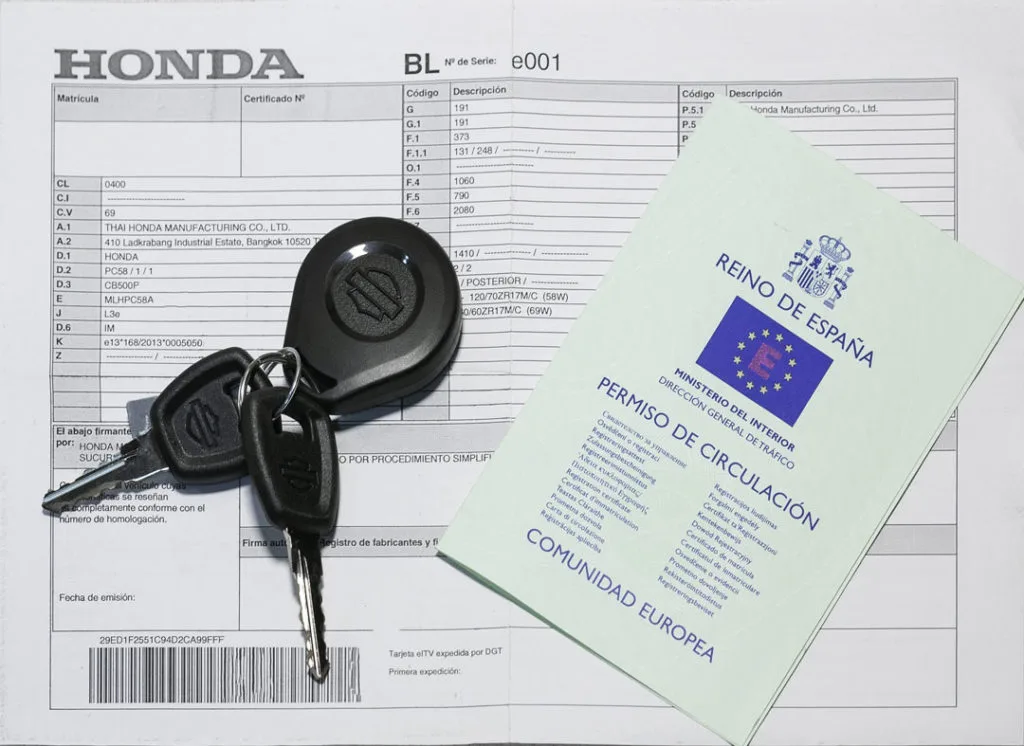
2. Gather all information about your motorcycle
Firstly, you will need to gather all your motorcycle's documentation and check that the ITV (vehicle inspection), taxes, and services are up to date. You can also request a report from the DGT (Spanish Traffic Authority) to ensure the motorcycle has no encumbrances (Spanish: cargas) that would prevent a change of ownership.- Original registration certificate (Spanish: Permiso de circulación)
- Technical inspection certificate (Spanish: Ficha técnica) with valid ITV
- Paid vehicle tax receipt
- DNI (Spanish National ID) of the motorcycle owner and the buyer
- A sale and purchase contract
- Manuals and service history books
- All sets of keys and original accessories
3. Set a reasonable price based on the type of buyer
The best way to determine a reasonable price for your motorcycle is to research the best offers at dealerships and on classified ad websites. Once you know the price at which your model is being offered, with the closest possible age and mileage, you will need to consider whether you are selling to a private individual or a professional. The price will also depend on other factors such as the model, vehicle condition, and extras.
4. Prepare the motorcycle for sale
Now it's time to thoroughly prepare the motorcycle so it looks its best: wash the motorcycle, clean and lubricate the chain, polish the bodywork to remove any scratches, and check the oil and coolant levels. The more time you invest in preparing the motorcycle for sale, the better price you can achieve for it. Potential customers will not want to see a dirty or poorly maintained motorcycle, which will significantly reduce its value. It is also very important to take good photographs that highlight every detail or extra feature the motorcycle includes. Ensure the photos are well-focused and have sufficient lighting. It is advisable to blur or remove personal data shown in the photographs, such as the registration plate or VIN (Vehicle Identification Number).
5. Property Transfer Tax (Spanish: Impuesto de Transmisiones Patrimoniales)
When you sell a used motorcycle to a private individual, the vehicle buyer will have to pay the Property Transfer Tax (Spanish: Impuesto de Transmisiones Patrimoniales) to the Tax Agency (Spanish: Agencia Tributaria). A different percentage of the Property Transfer Tax is paid in each autonomous community.
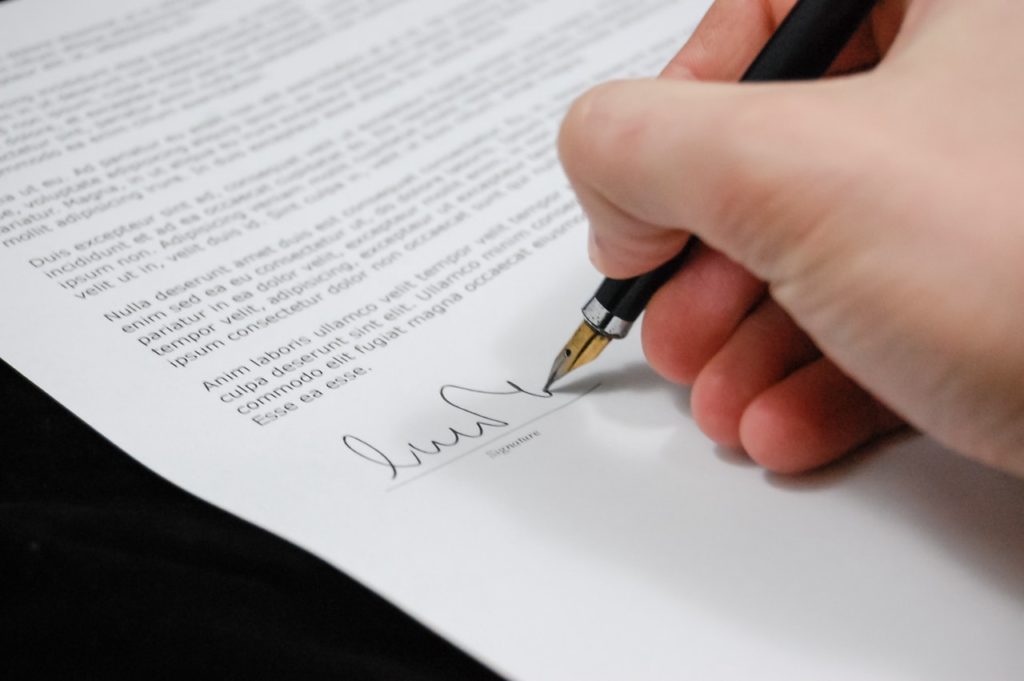
6. How to draw up a motorcycle sale and purchase contract
The sale and purchase contract must specify the following details:
- Full name, DNI (Spanish National ID), and address of the seller.
- Full name, DNI (Spanish National ID), and address of the buyer.
- Exact make and model of the vehicle.
- Registration plate and VIN (Vehicle Identification Number)
- Sale price
- Who will pay the change of ownership fees
- Payment method
It is also advisable to attach a full vehicle report from the DGT (Spanish Traffic Authority) stating that the vehicle is free of encumbrances (Spanish: cargas) and has no issues that would prevent a change of ownership. With all these tips, you will surely find it much easier to sell your motorcycle in less time and for a better price.